Process-facing steam support
Brewing work depends on stable pressure, suitable steam condition and repeatable temperature control at each duty, with many sites distributing steam at 7 to 10 bar before reducing pressure locally.

Answer first
Breweries and distilleries depend on steam that behaves predictably at the process, not just at the boiler. Spirax Sarco helps teams improve heat delivery, condensate handling and utility efficiency in ways that support product consistency, process control and plant performance together.
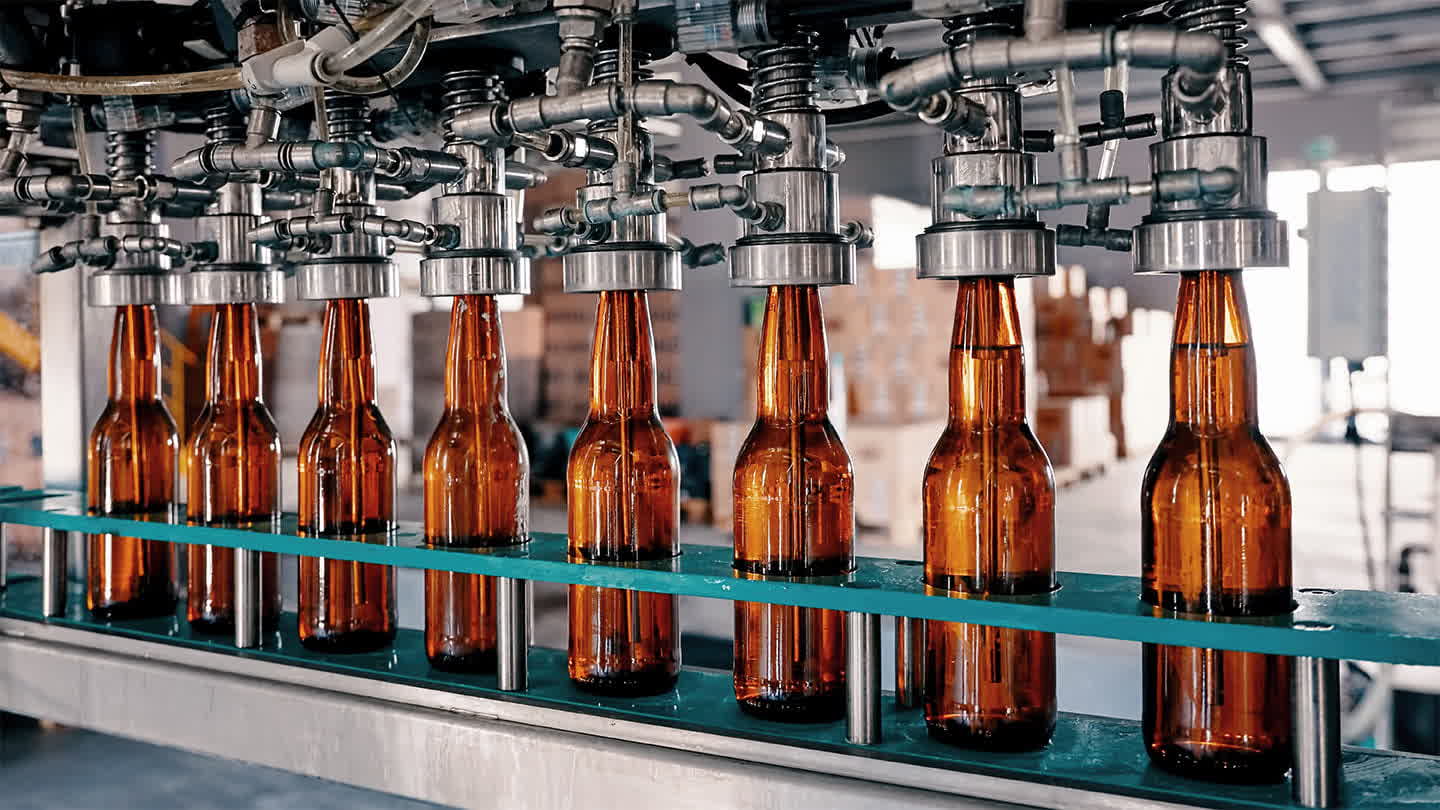
Brewing and distilling processes place a premium on repeatable heat. From brewhouse duties and cleaning cycles through to hot-water support and packaging operations, the steam system has to deliver the right condition at the right point without introducing instability into production.
Spirax Sarco works with breweries and distilleries that need more control over how steam is distributed, reduced, drained and recovered. The source material highlights local pressure reduction, complete steam-and-condensate system thinking and condensate heat value as practical levers for improving quality and utility performance together.
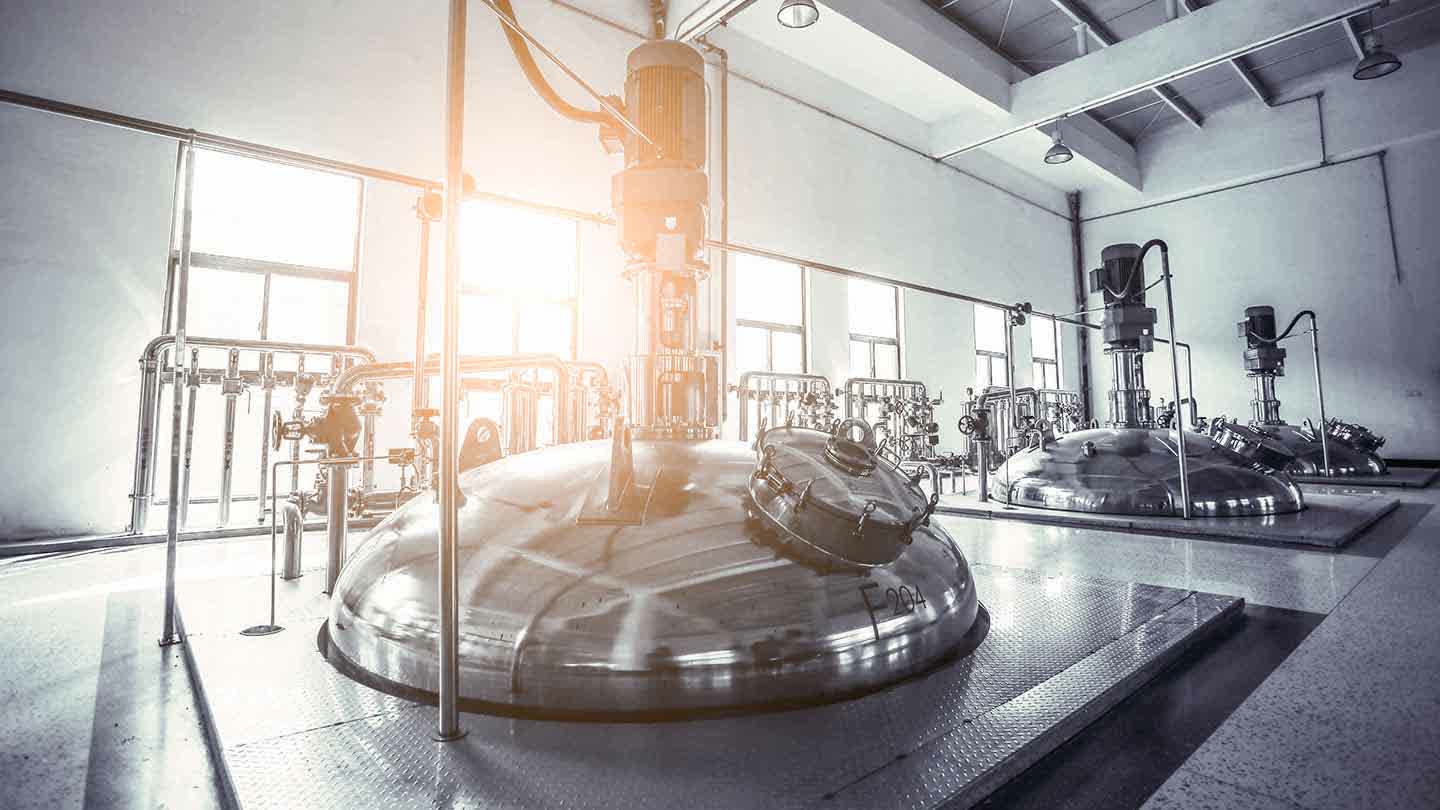
Brewing work depends on stable pressure, suitable steam condition and repeatable temperature control at each duty, with many sites distributing steam at 7 to 10 bar before reducing pressure locally.
The source material notes that about 25% of the heat used to generate saturated steam at 5 bar remains in the condensate after condensation, making recovery an operational issue as well as an energy issue.
The source material states that mashing and wort boiling can account for up to 50% of connected steam load, which helps explain why these duties often dominate steam-system decisions.
Use this route when hygienic steam quality, filtration or sanitary control hardware is becoming the main specification issue.
Explore clean steam productsChoose a service-led route when the site needs measured improvement across steam traps, condensate return, pressure control or boilerhouse efficiency.
Explore audit servicesSee how a long-term steam trap management approach supported lower energy use and carbon reduction at a working brewery.
Read the brewery case studyBrewing research often starts with process quality or utility cost, then narrows into hardware selection or site support.
Start with the Spirax Sarco overview when you need broader context on the steam-specialist engineering capability behind brewery and distillery support.
Move into products when the enquiry is becoming more specific around clean steam, heat exchangers, steam traps or pressure control components.
Use services when the priority is plant improvement, scheduled maintenance, monitoring or technical support on a live production site.
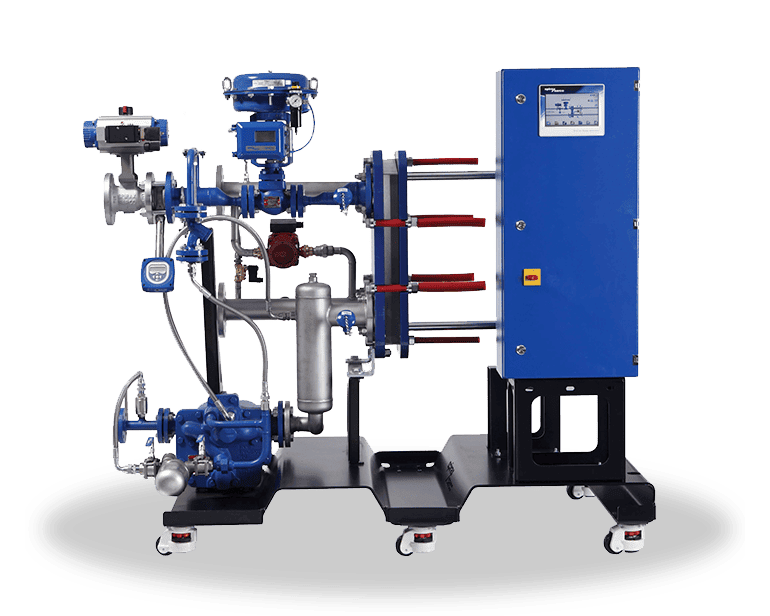
A packaged heat-transfer solution suited to process and building hot-water duties where stable secondary hot water is part of the wider brewery utility strategy.
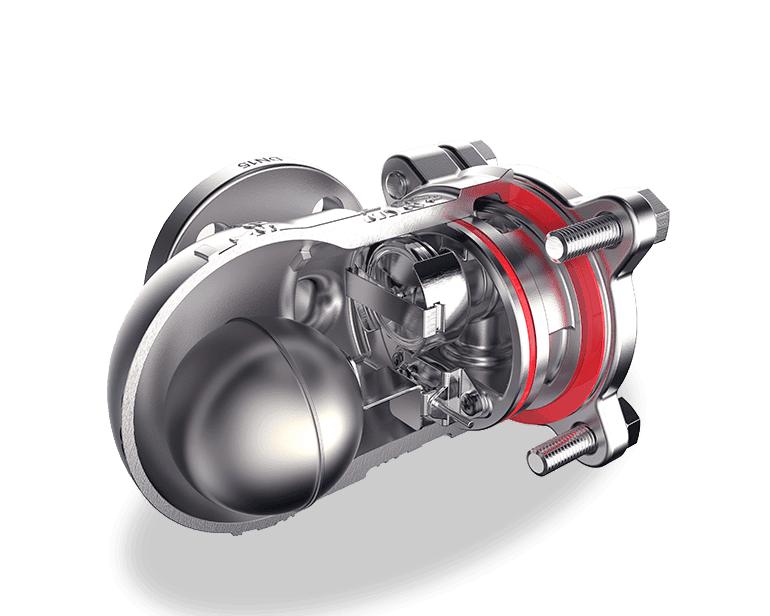
A stainless steel ball float trap for duties that benefit from continuous condensate discharge and rapid air removal during start-up.
These questions come up frequently when breweries and distilleries move from general steam research into a real project scope.
Because brewing and distilling rely on repeatable heat transfer, unstable steam quickly shows up as uneven temperature control, slower response or wider batch variation. The source material specifically points to duties such as mashing, wort boiling, pasteurisation and hot-liquor generation.
Returned condensate still contains heat, treated water and operating value. The source material states that about 25% of the heat used to generate saturated steam at 5 bar remains in the condensate after the steam condenses, which helps explain why recovery can reduce boiler make-up demand and fuel use.
Start with the strongest operational constraint. If the concern is steam quality around a sensitive duty, product selection may come first. If the bigger issue is energy loss, maintenance burden or recurring instability, a service or audit route is usually the better starting point.
The source material notes that many breweries distribute steam at between 7 and 10 bar and then reduce pressure locally to suit each process. It also states that mashing and wort boiling alone can account for up to 50% of the connected steam load, which is why pressure control and process-side steam condition matter so much.