Hygiene and utility joined up
Food and beverage steam work usually sits between contamination control, repeatable heating and utility efficiency rather than inside just one discipline.

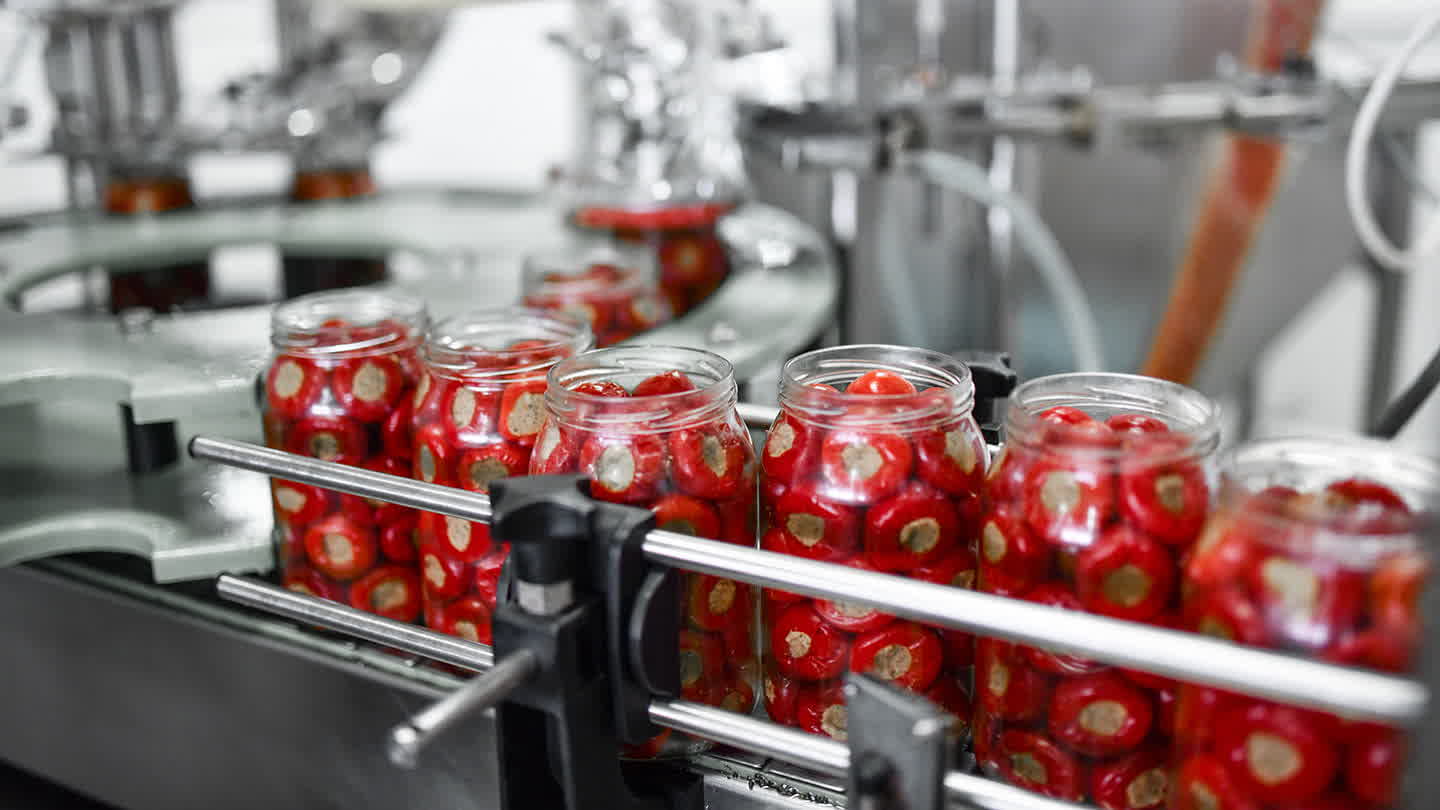
Answer first
Food and beverage sites need steam systems that protect product quality without creating avoidable utility loss or compliance risk. Spirax Sarco helps teams decide where plant steam is suitable, where filtered, clean or higher-integrity steam routes are needed and how the wider system should be improved.
Food and beverage manufacturers use steam for far more than simple heat input. It can affect how reliably a line heats, cleans, sterilises, pasteurises or packages product, so steam quality quickly becomes a production issue rather than just a boilerhouse concern.
Spirax Sarco helps producers and OEMs make those decisions with a system view. The source material points to steam generation, water treatment, condensate return, boilerhouse control and clean steam applications as connected parts of one thermal process, not isolated topics.
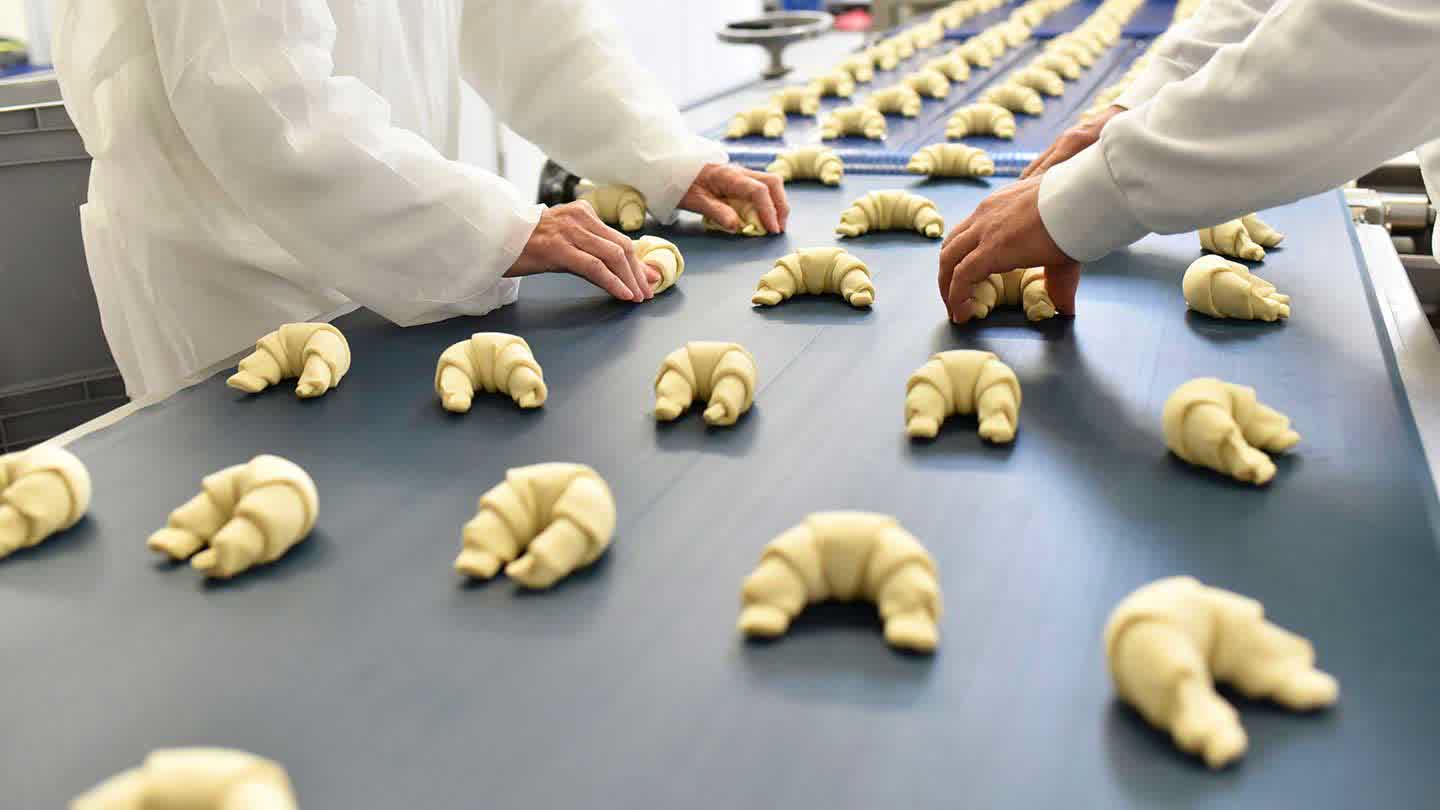
Food and beverage steam work usually sits between contamination control, repeatable heating and utility efficiency rather than inside just one discipline.
The source material distinguishes plant steam, filtered steam, clean steam and pure steam, helping teams map steam grade to application risk more clearly.
The source material identifies raw water, treatment control, boiler carryover, particulates, non-condensable gases and cross-contamination as system-level risks, not isolated downstream faults.
Follow this route when steam may contact product or food-contact surfaces and the specification needs to address filtration, cleanability or clean steam generation.
Explore clean steam productsUse this route when the site needs testing, reporting and practical recommendations rather than product selection alone.
Read the steam quality serviceSee how food and beverage operators can connect process reliability with utility efficiency and decarbonisation planning.
Read the sustainability articleFood and beverage research usually starts with a process or hygiene question, then narrows into hardware and site support.
Start with the Spirax Sarco overview when you need broader context on the steam-specialist engineering capability behind hygienic food and beverage applications.
Move into products when the project is narrowing toward clean steam, heat transfer, filtration, control valves or steam trap selection.
Use services when the priority is steam quality testing, audits, monitoring or wider process improvement support on site.
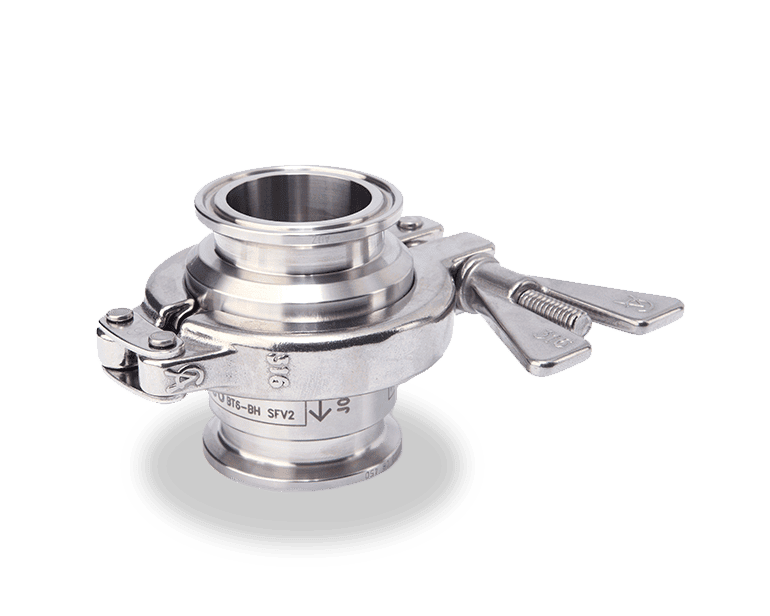
A hygienic balanced-pressure trap designed for clean-service duties such as steam barriers, CIP/SIP, sterilisation equipment and culinary or process steam lines.
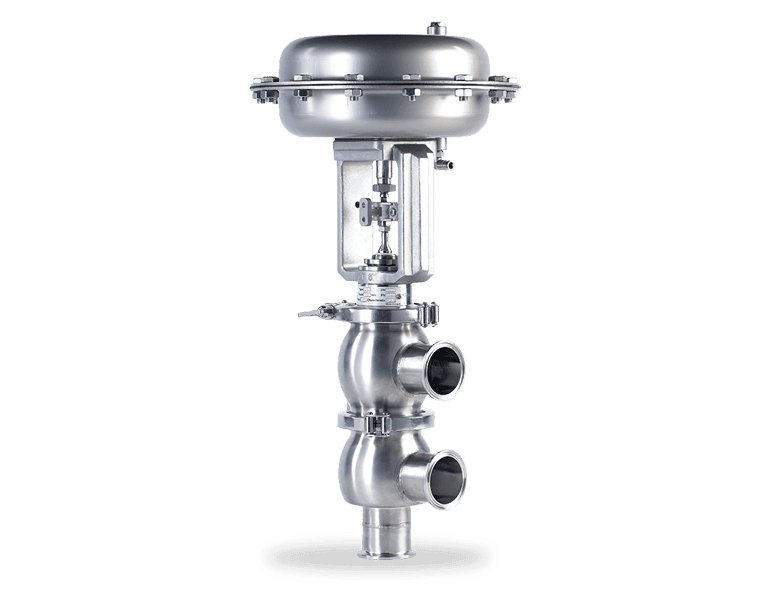
A clean-service control valve range for applications where hygienic construction and repeatable modulation need to work together.
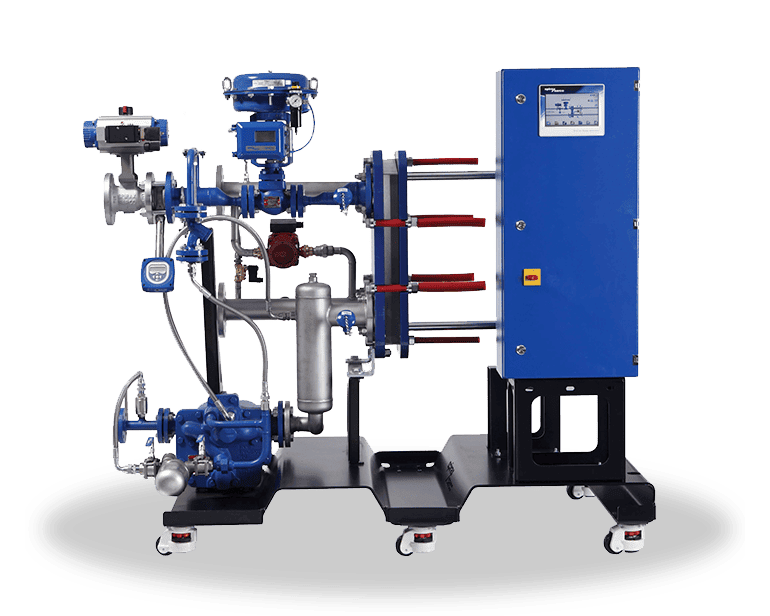
A packaged heat-transfer solution for hot-water duties that sit alongside process heating, washdown or other utility needs.
Food and beverage projects often move quickly from broad sector research into specific steam-grade and compliance questions.
Indirect heating duties may work well with well-managed plant steam, but product-contact and hygiene-critical duties often call for tighter control over contamination risk. The source material also distinguishes plant steam, filtered steam, clean steam and pure steam, so the right route depends on what the steam touches, how the process is validated and what level of cleanliness the site must demonstrate.
Steam quality problems rarely begin at one downstream component. The source material identifies raw water quality, treatment-program performance, boiler loading, TDS control, operating pressure, boiler carryover, cross-contamination, particulates and non-condensable gases as factors that can all change what finally reaches the process.
Most plants want steadier processing, fewer hygiene-related interruptions, more consistent product output and lower wasted heat. The source material also points to process duties such as pasteurisation, hygiene-related applications and clean steam uses, so the balance shifts by line, product type and how the steam is being used.
The source material frames steam quality as a full-system issue that depends on specification, design, installation, control and maintenance rather than on one downstream product alone. That is why testing and practical site review are often needed alongside hardware selection.