
Steam system pipeline ancillaries
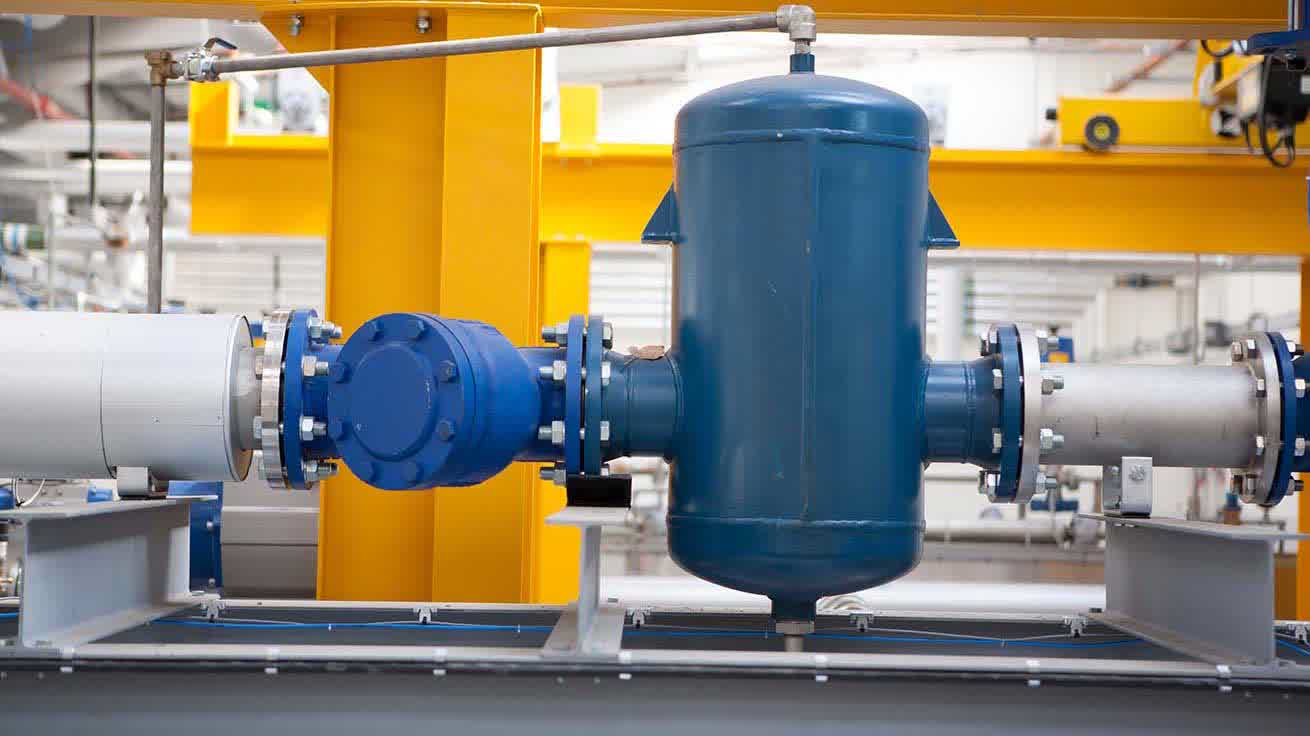
Pipeline ancillaries may be small compared with major steam plant items, but they have a direct effect on steam system efficiency, reliability and maintainability. Across steam mains, pressure reducing stations, heat transfer equipment and condensate return lines, the right ancillaries help keep steam clean, dry and easier to manage.
Spirax Sarco pipeline ancillaries cover common duties such as air venting, non-return protection, moisture separation, dirt removal, visual inspection, vacuum breaking, controlled discharge and operating indication. Used correctly, they help protect downstream equipment. They also help reduce long-term maintenance cost.
Overview
Pipeline ancillaries are selected to solve recurring line-side problems that reduce steam system performance. Typical issues include non-condensable gases, entrained moisture, solid contamination, reverse flow, vacuum formation and discharge noise around steam release points. A well-matched ancillary arrangement helps protect sensitive downstream equipment such as pressure reducing valves, control valves, steam traps, flowmeters, heat exchangers and process vessels. It also supports better steam quality, more stable control and easier maintenance planning. The Spirax Sarco range includes air vents and air eliminators for gas removal, separators for moisture removal, strainers and filters for solid contamination control, check valves for non-return protection, sight glasses for visual inspection, vacuum breakers for vessel protection and diffusers for safer discharge to atmosphere. These products are used widely across steam distribution, condensate systems and process applications. They help plant teams troubleshoot faster and reduce avoidable failures caused by poor line condition. Where the duty extends beyond a single fitting, Spirax Sarco pipeline ancillaries can be selected alongside steam traps, control systems and application support resources. This helps build a more robust and serviceable steam system.
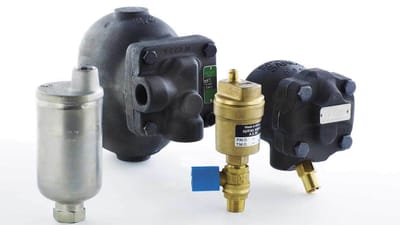
Air vents and air eliminators
Automatic air vents and air eliminators remove non-condensable gases from steam and liquid systems to improve warm-up, protect heat transfer and reduce corrosion risk.
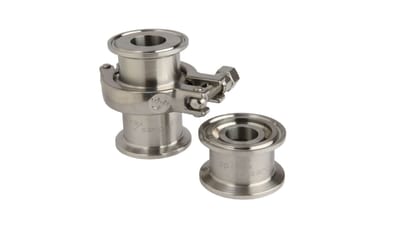
Check valves
Check valves help prevent reverse flow, limit waterhammer and flooding risk, and protect flowmeters, control valves and other equipment in steam and process systems.
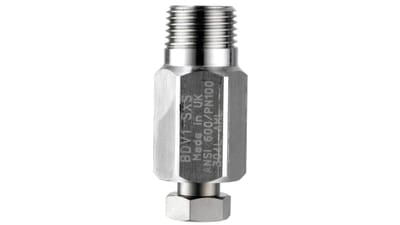
Depressurisation valves
Depressurisation valves support blowdown and controlled discharge duties where steam system safety and pressure reduction need to be managed together.
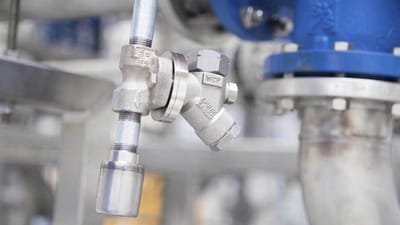
Diffusers
Diffusers create a safer, quieter discharge to atmosphere and help sites control noise and discharge conditions around steam release points.
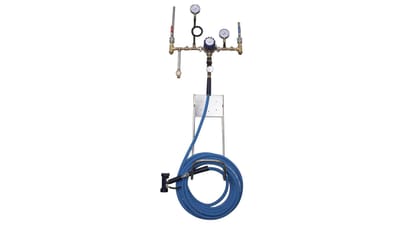
Hosedown stations
Wall-mounted hosedown stations mix steam and cold water directly to provide hot water for washdown and cleaning duties.
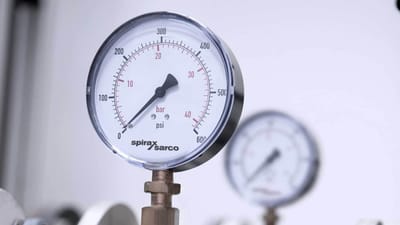
Pressure and temperature gauges
Pressure and temperature gauges provide clear operating indication across steam systems, helping teams verify conditions and troubleshoot faster.
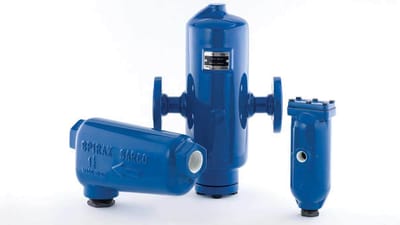
Separators
Separators remove entrained moisture from steam, compressed air and gas systems to improve quality and protect downstream equipment.
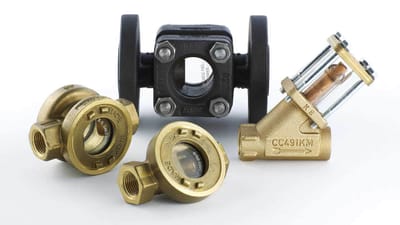
Sight glasses
Sight glasses make it easier to inspect system condition visually, confirm flow behaviour and spot operating issues quickly.
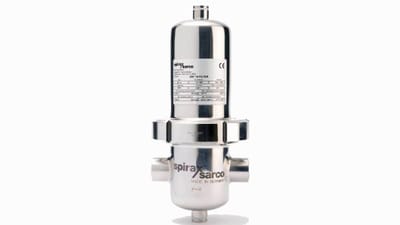
Strainers and filters
Strainers, filters and Y-strainers protect pressure reducing valves, traps, control valves and other line equipment from rust, weld debris and solid contamination carried in steam systems.
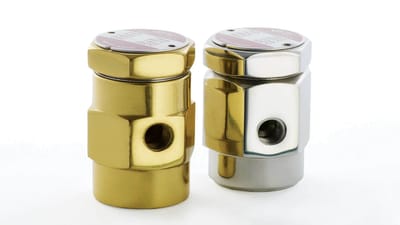
Vacuum breakers
Vacuum breakers help protect steam-using equipment from vacuum conditions that can occur during shutdown, condensate cooling or vessel drain-down.
How to choose pipeline ancillaries by operating problem
Pipeline ancillaries are usually selected by the operating problem they solve rather than by component family alone. The fastest route is to identify whether the main issue is reverse flow, moisture, dirt, trapped air, shutdown vacuum or noisy discharge, then move into the ancillary that corrects that condition first.
| Line-side problem | Typical ancillary route | Why it matters |
|---|---|---|
| Reverse flow or fallback risk | Check valves | Protects downstream equipment and helps limit flooding or waterhammer risk. |
| Entrained moisture | Separators | Improves steam or gas quality before it reaches sensitive equipment. |
| Solid contamination | Strainers and filters | Protects valves, traps, gauges and control hardware from debris. |
| Non-condensable gases | Air vents and air eliminators | Supports faster warm-up, better heat transfer and lower corrosion risk. |
| Vacuum or noisy discharge | Vacuum breakers and diffusers | Protects equipment during shutdown and improves discharge safety. |
Continue your steam system selection
Pipeline ancillaries are rarely selected in isolation. Venting, separation, filtration, indication and discharge control usually need to align with the wider steam system layout and operating duty.
Connect ancillaries with pressure and control duties
Review pressure reducing, surplus and process control duties when ancillary selection also depends on stable pressure management or downstream control performance.
Coordinate ancillaries with steam trap selection
Many line protection and venting decisions sit alongside condensate drainage strategy. Review the main steam trap families when the duty also depends on discharge performance.
Build application understanding before final selection
Use the technical knowledge centre when you need more context on steam distribution, steam quality, air venting, drainage or other application fundamentals behind the product choice.