

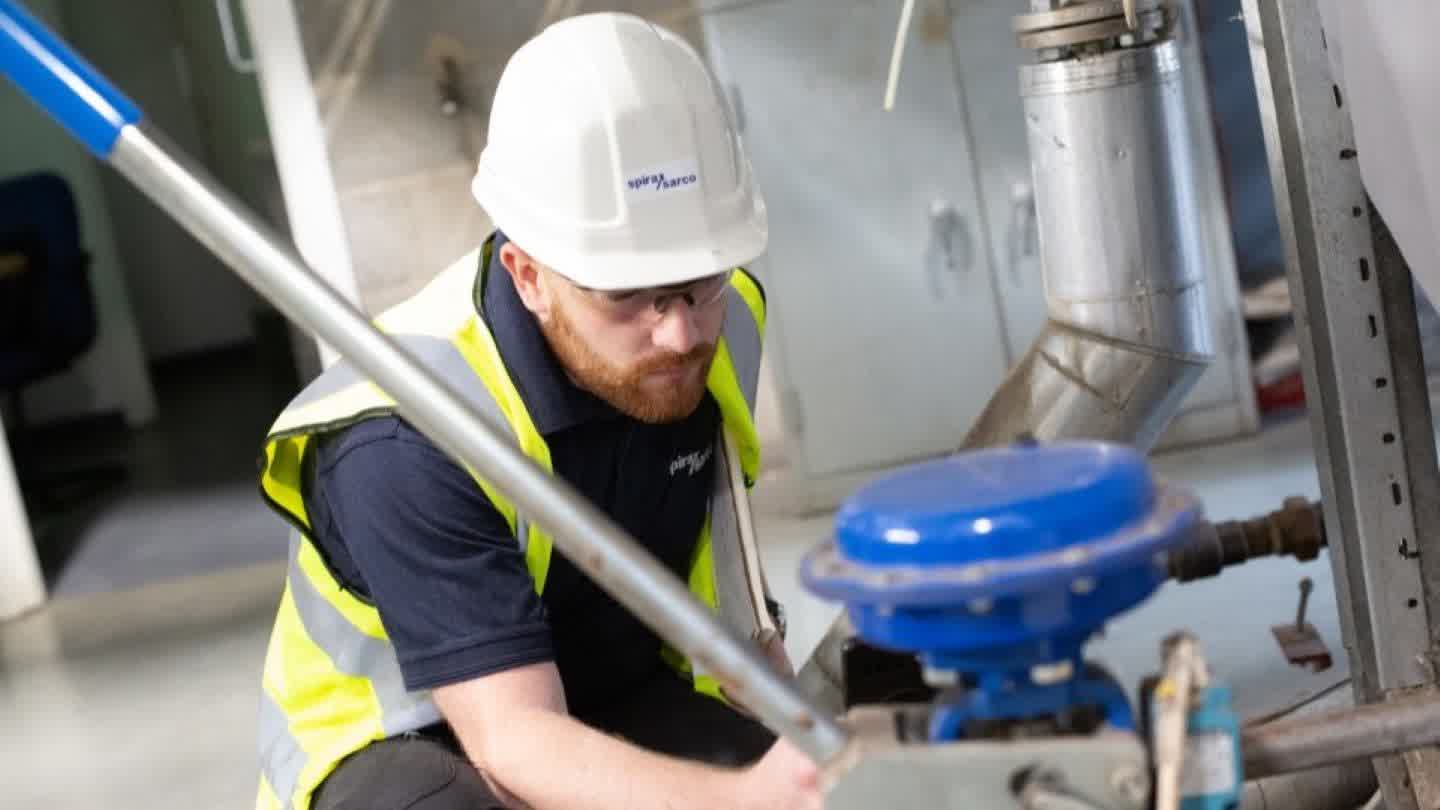
How can it help me?

Reduce failure and waterlogging risk

Support reliability and energy targets

Why survey steam traps?
Steam trap surveys and management services help users understand whether condensate is being removed correctly across the steam network and where hidden failures are increasing energy cost or process risk. Spirax Sarco reviews installed traps in context so corrective action is based on evidence rather than assumptions.
The service is relevant for users who need a clearer trap inventory, better maintenance planning or stronger confidence that traps are correctly selected, installed and operating as intended. It turns a scattered installed base into a managed asset population.
What a steam trap survey typically includes
A steam trap survey establishes what is actually installed, where traps are located, whether they suit the application and which points are already failing or at risk.
Typical work includes identifying the trap population, labelling assets, checking installation condition, reviewing operating status and flagging other steam and condensate issues that may be driving repeat problems.
This gives sites a more dependable baseline for maintenance planning, replacement budgeting and prioritisation of the points that are causing the greatest energy loss or process disruption.
Why steam trap management matters after the survey
Steam trap management improves more than energy performance. It also supports condensate drainage, reduces waterlogging risk, improves heat transfer stability and helps maintenance teams avoid treating every trap as an isolated fault.
Survey findings are especially valuable where the trap estate is large, records are incomplete or the same operational issues keep returning without a clear root cause.
For many sites, the survey becomes the starting point for a more standardised trap strategy, a better spares plan and a more defensible case for either periodic inspection or permanent monitoring.
Related routes for steam trap management
Steam trap management becomes more valuable when survey findings, replacement strategy and long-term monitoring are linked together.
Connect survey results with trap strategy
Go into the steam trap product family when survey findings are likely to change trap selection, replacement standards or accessory choices.
Move from periodic survey to ongoing condition data
Add connected monitoring when you want condition visibility to continue after the initial survey and remedial work are complete.
Expand beyond trap-level improvements
Review wider service options when trap management is only one part of a larger steam-system optimisation programme.
Related routes after a trap survey

Use survey findings to refine trap selection
Review trap families and application fit when survey results point to a need for more standardised selection or replacement choices.

Extend survey work with connected monitoring
Add wireless condition monitoring when trap populations are large or critical points need faster fault detection between survey cycles.
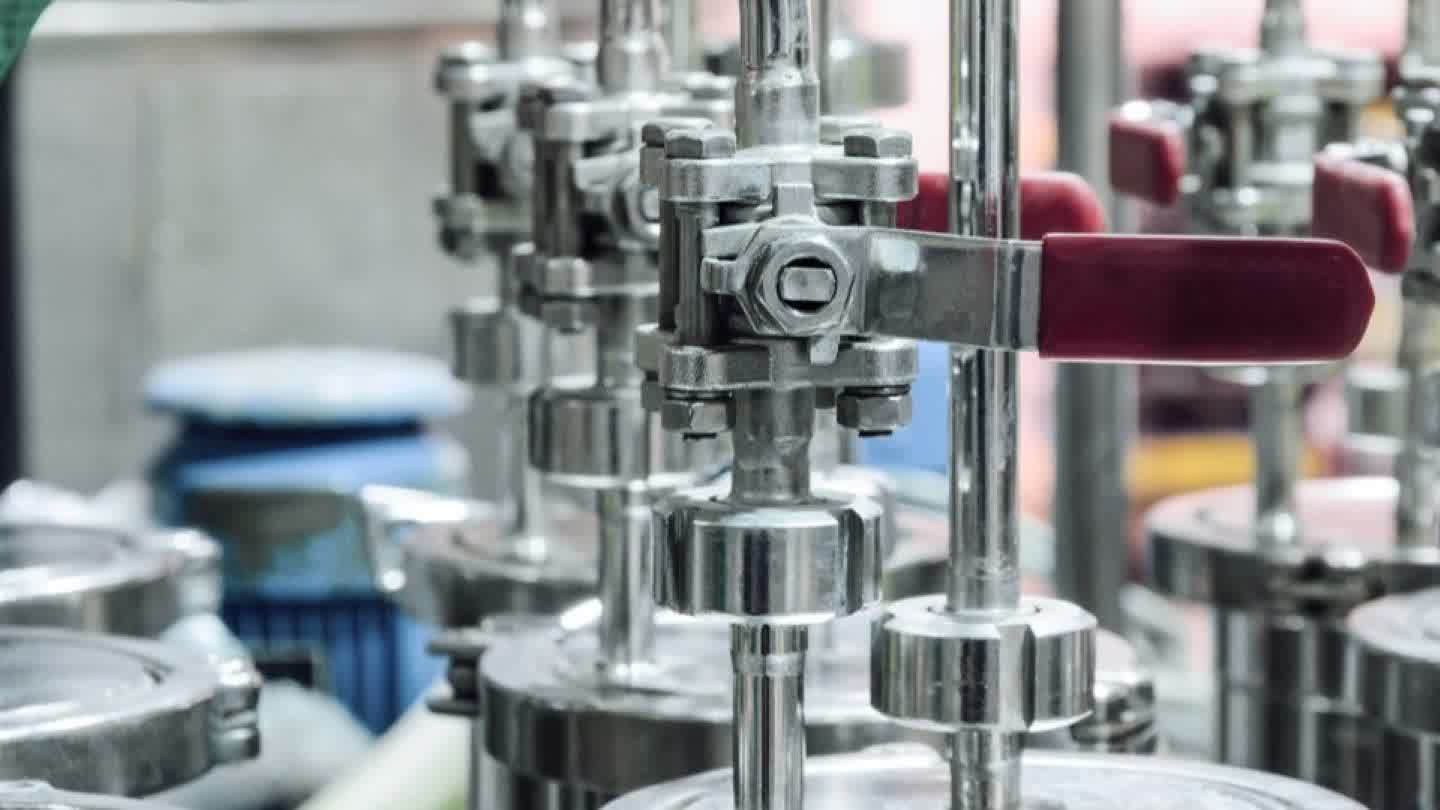
Support broader reliability improvement
Tie trap management into the wider goal of fewer failures, less waterlogging and more dependable steam-system operation.