High thermal-load focus
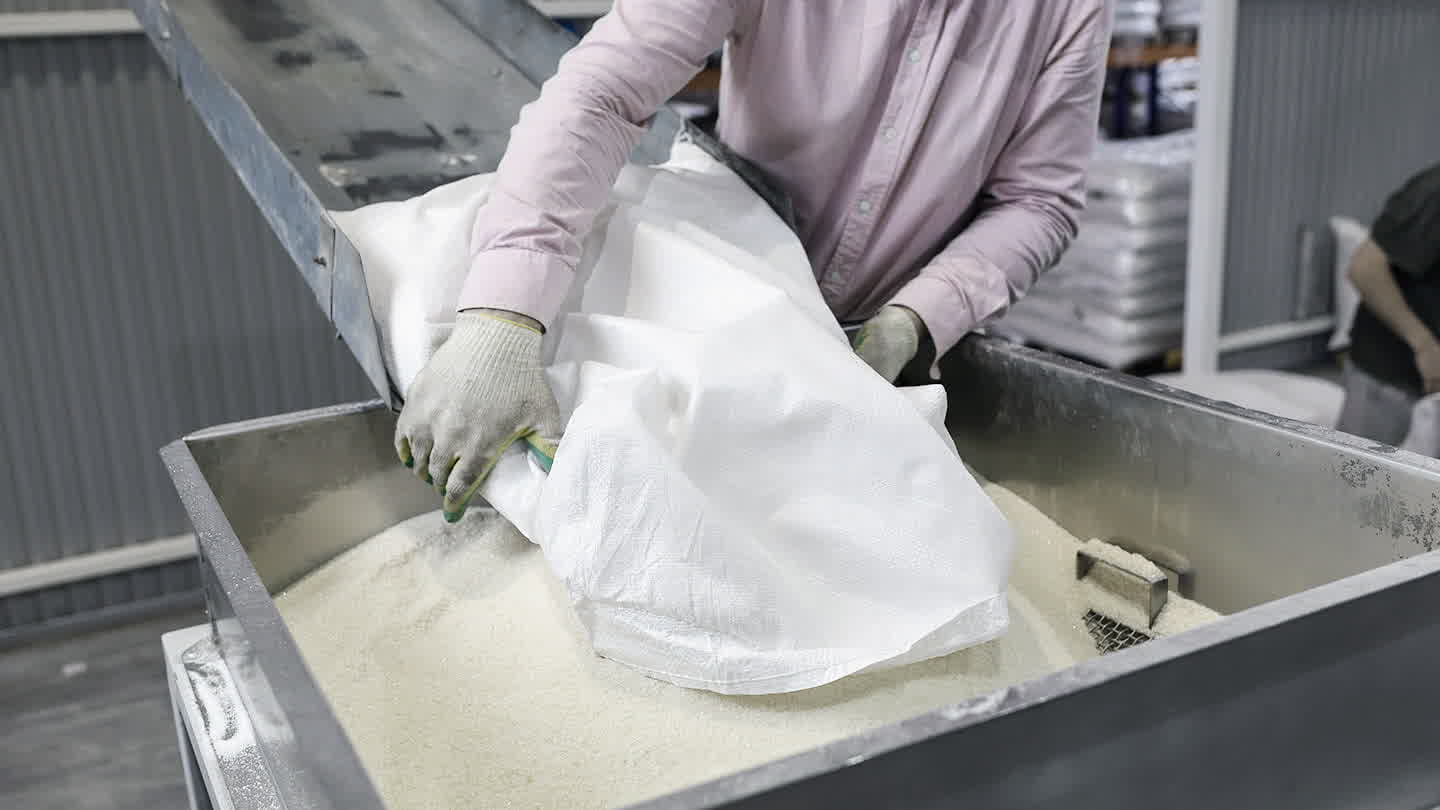
Sugar refining steam work is often shaped by high process heat loads and the cost of losing usable energy after the duty is complete.

Answer first
Sugar refining depends on steam across heavy thermal duties where small losses can become large operating penalties. Spirax Sarco helps plants improve how heat is controlled, drained and recovered so the steam system supports output instead of undermining it, especially where condensate and flash steam recovery can be turned back into useful boilerhouse value.
Sugar refining uses steam across heat-intensive duties such as juice heating, evaporation, crystallisation and drying, so the utility system has a direct influence on both processing stability and cost. When distribution, drainage or recovery are weak, the penalty is often visible in both throughput and energy performance.
Spirax Sarco helps sugar producers improve thermal-system performance with a stronger link between process-side control and energy recovery. The source material for flash recovery specifically identifies sugar refining as a suitable application area for recovering condensate heat and flash steam back into boiler feedwater performance.

Sugar refining steam work is often shaped by high process heat loads and the cost of losing usable energy after the duty is complete.
Better results usually come from improving pressure, drainage and return strategy in parallel rather than treating each issue separately.
The flash recovery source material presents packaged heat recovery as a way to reduce fuel, water, chemical and emissions costs while improving boiler efficiency in suitable applications.
Use this route when the main opportunity sits in recovering more energy from boilerhouse or process-side losses.
Explore heat recoveryFollow this route when sugar-process heating duties are producing return streams that should be reused more effectively.
Learn about condensate recoveryChoose a service route when the plant needs a broader view across process heating, pressure control and site-wide steam losses.
Explore audit servicesSugar-sector research often starts with thermal performance and then narrows into control, recovery and practical site improvement work.
Start with the Spirax Sarco overview when you need broader context on the steam-specialist engineering support behind high-load process heating sectors.
Move into products when the project is narrowing toward level control, isolation valves, condensate handling or heat-recovery hardware.
Use services when the site needs a wider review of steam-system losses, process heating performance or utility improvement opportunities.
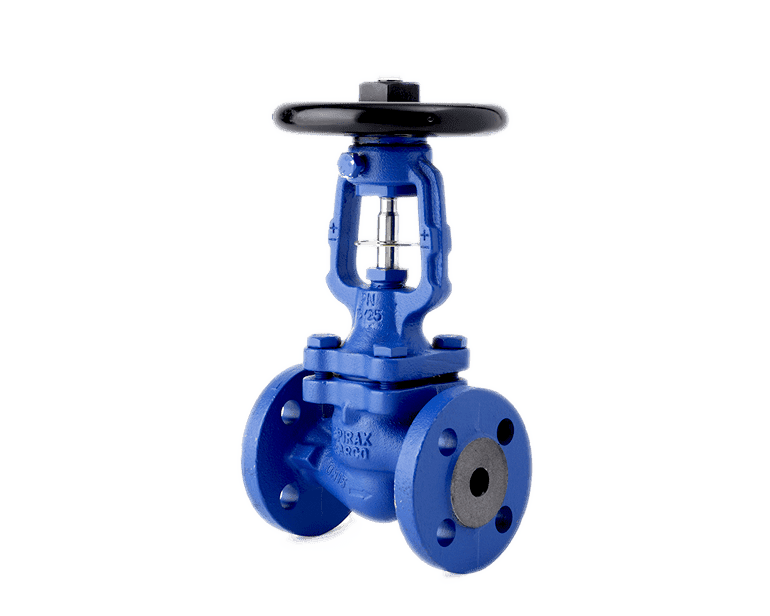
A bellows-sealed stop valve for dependable isolation duties on steam and condensate services where shut-off integrity matters.

Level-control hardware for boilers, condensate tanks and vessels where stable operation depends on reliable switching or modulating control.
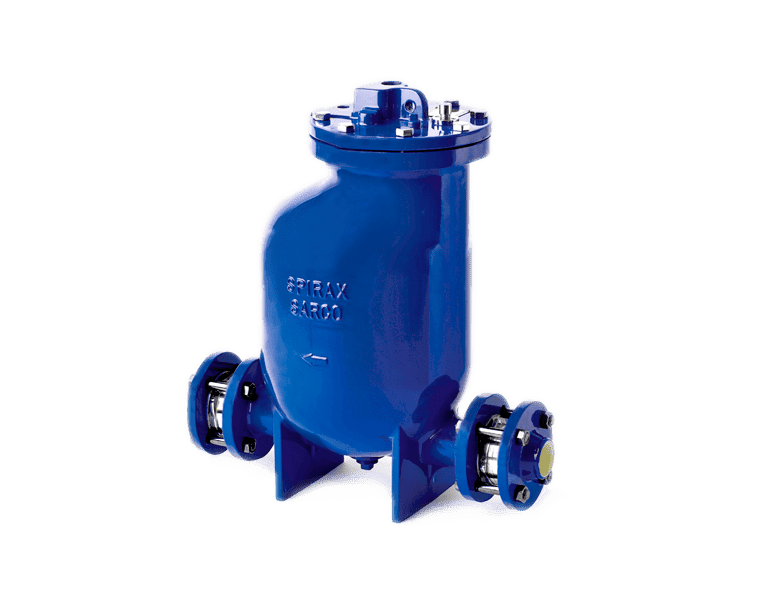
A condensate pump solution for duties where hotter return streams need to be recovered across a wider operating range.
Sugar plants often need to balance heavy process heat demand with practical opportunities to recover energy and improve control.
The usual priorities are stable process heating, stronger drainage, better pressure control, higher condensate return and fewer losses across the wider utility system.
Because large evaporation and heating duties create significant volumes of hot return. The source material for Spirax FREME highlights recovery of condensate heat and flash steam as a way to preheat boiler feedwater, reduce fuel, water, chemical and emissions costs, and lower visible flash steam losses.
A practical starting point is to identify the process areas carrying the highest thermal load or the weakest performance stability, then trace back through steam condition, control behaviour and condensate return.
The source material presents packaged flash and condensate heat recovery as a route that can improve boiler efficiency while avoiding cavitation issues associated with atmospheric feedtank heating. In a suitable application, that makes recovery a practical plant-improvement option rather than only a theoretical efficiency goal.