
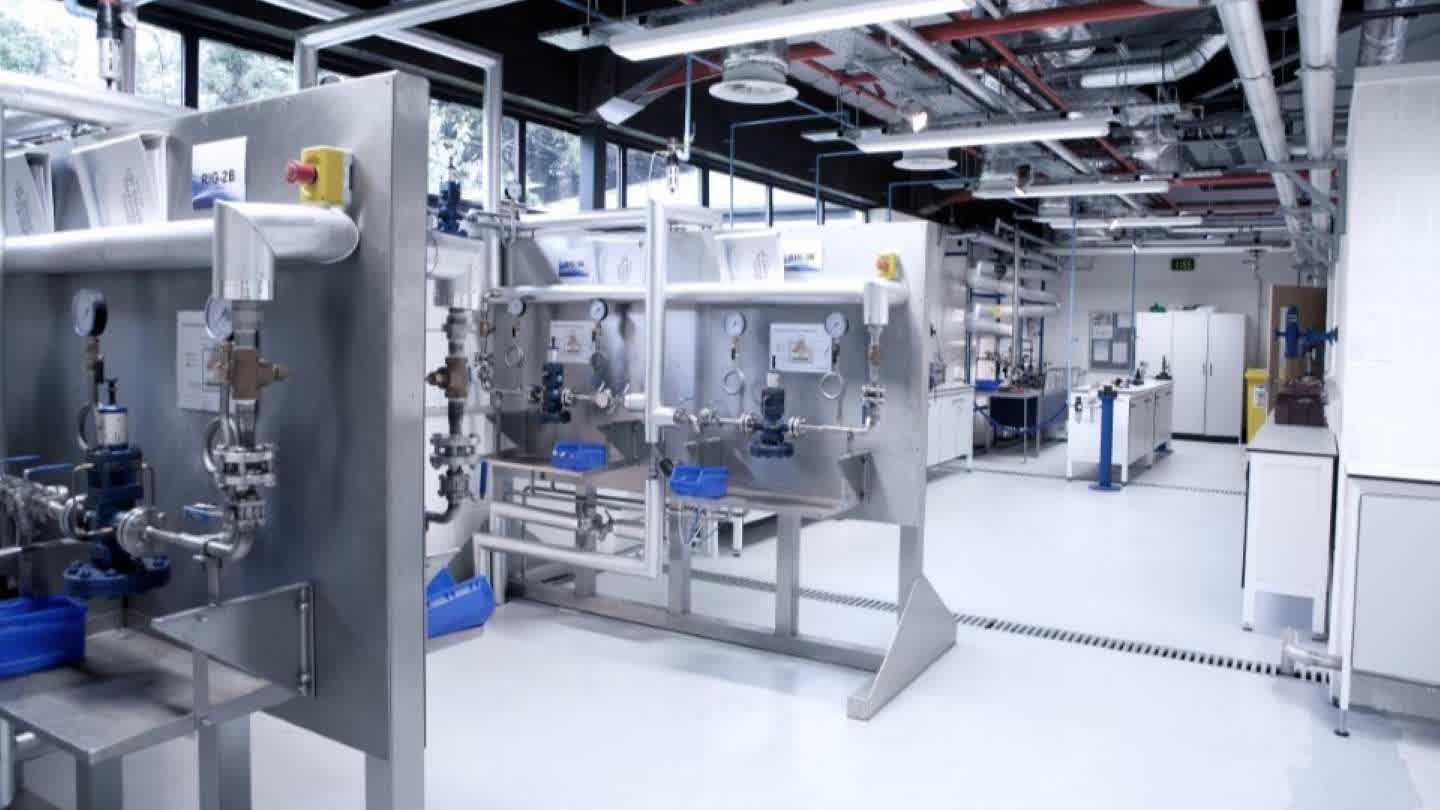
Build steam capability that transfers to the plant
Spirax Sarco training is designed for teams that need more than a basic product overview. The aim is to help operators, maintenance technicians, project engineers and managers understand how steam systems behave in real production environments, so they can make better decisions on design, operation, safety and optimisation.
Well-structured steam training helps organisations reduce the gap between theory and day-to-day plant decisions. Instead of relying on inherited habits or fragmented supplier advice, teams can build a shared understanding of condensate handling, steam quality, control stability, energy performance and maintenance priorities.
Depending on the programme and local availability, training can be delivered at a Spirax Sarco training centre or arranged on site. Some courses are designed as foundation learning, while others are built around plant-specific troubleshooting, practical examples and recognised qualification pathways.
What good steam training should improve
Effective steam system training should help a team do more than pass a course. In practice, it should improve how people operate, diagnose and develop the system they are responsible for.
- Improve operating safety by helping teams recognise common steam risks, poor practices and control issues earlier.
- Build stronger troubleshooting capability around steam traps, pressure control, condensate return, heat transfer and boilerhouse performance.
- Support better energy decisions by showing where losses occur and how they connect to maintenance, operating discipline and design choices.
- Improve process consistency where steam quality, stability or controllability affects production output.
- Create a common technical language across operations, maintenance, projects and management.
These outcomes matter because many steam-system problems are not caused by a single failed component. They often come from weak handover, limited system understanding or inconsistent operating practice, which is exactly where targeted training can make a measurable difference.
Training routes for different levels of experience
Core courses
Core courses help people build a broad grounding in steam-system fundamentals, design considerations and routine operating priorities. They are a good fit for people who are new to steam or who need a more structured understanding of how the system fits together.
- Steam and condensate system design
- Steam system maintenance
- Boiler house design, operation and maintenance
Applied and advanced courses
Applied and advanced courses focus on how to improve performance once the basics are in place. Typical themes include efficiency, process quality, system stability and safe operation under real site constraints.
- Improving steam system process performance
- Steam system energy saving
- Steam system safety
- Clean steam systems
Specialist and management programmes
Specialist programmes go deeper into technical or managerial responsibility. They are suited to people who need to lead system performance, coach wider teams or take ownership of optimisation and governance decisions.
- Certified steam system engineer programmes
- Steam system management programmes
Industry-focused courses
Some training is best shaped around the operating context rather than a generic syllabus. Industry-focused programmes help connect steam principles to sector-specific hygiene, uptime, validation or process demands.
- Tobacco operations
- Laundry plants
- Food and beverage production
- Pharmaceutical operations
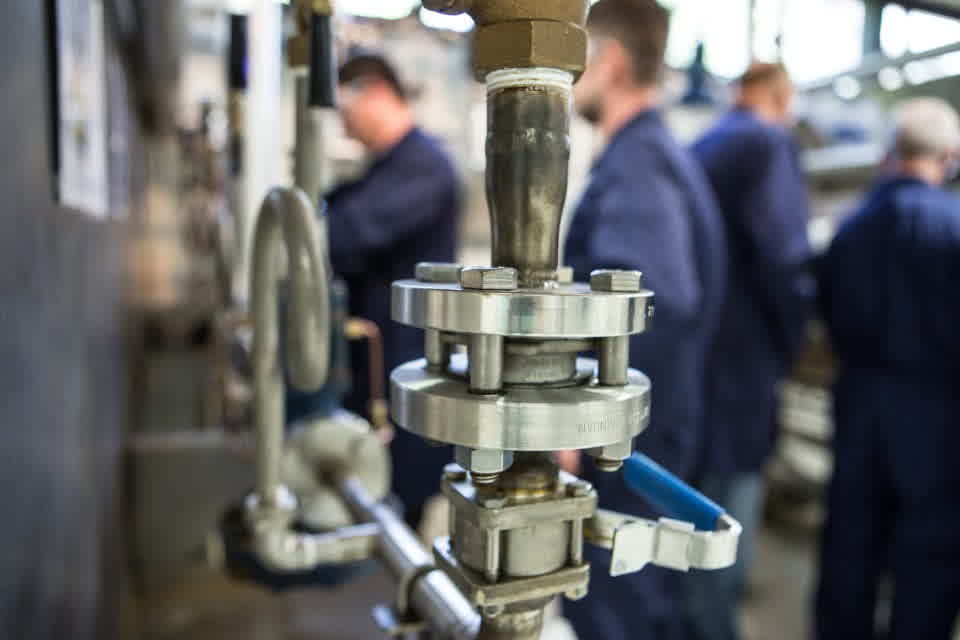
Choose the right format for your team
Public courses are useful when individuals need a structured route into steam engineering fundamentals or when organisations want staff to learn alongside peers from other sites and industries.
On-site training works well when the discussion needs to reflect your own equipment, operating constraints and maintenance routines. It can also be more effective for project handovers, cross-functional workshops or teams that need a shared view of a recurring plant issue.
If you are defining a training requirement, it helps to start with the role profile of the attendees, the business outcome you want to improve and the type of system challenges the team is currently facing. That usually leads to a better result than selecting a course title in isolation.
Training works best when it connects to the wider steam journey
Training is often most valuable when it sits alongside engineering activity rather than apart from it. For example, a site preparing for expansion may need training linked to installation and commissioning support, while a plant dealing with recurring failures may benefit from combining learning with repairs and maintenance services or steam trap surveys and management.
For teams that need stronger technical grounding before or after formal training, the Learn about steam route provides deeper theory, and Knowledge exchange offers wider industry perspectives, application thinking and practical insight.
This connected approach usually leads to better long-term adoption because people can see how the training applies to current projects, system reliability targets and improvement priorities.
When to enquire about steam training
Training is usually worth prioritising when one or more of the following conditions apply:
- A new boilerhouse, process line or steam project is being installed and the operating team needs a stronger handover.
- Operators or technicians are inheriting an existing system without a clear understanding of the original design intent.
- Energy losses, steam quality issues, waterhammer or repeated breakdowns keep returning without a consistent root-cause response.
- Maintenance, operations and project teams need a shared technical baseline before wider optimisation work begins.
- An OEM, contractor or end user needs more structured knowledge transfer around equipment use and system expectations.
Use the contact route if you want to discuss course availability, delivery format or the type of capability your team needs to build.